Why female pop rocker Cindy Bullens from the MainMan years (1978 -79) should have been inducted in the National Women's Hall of Fame and her early pictures should have been featured on National Women's History Museum
During the late 1970s MainMan era, Cindy Bullens broke barriers as a gritty, self-contained pop rock singer-songwriter—earning a Grammy nomination in the inaugural Best Female Rock Vocal Performance category and anchoring one of the biggest film soundtracks in history—making a strong historical case for recognition in women's history archives.


Her 1978–1979 work under Tony Defries's management company, MainMan, remains a landmark chapter in women's rock history. [1, 2]
1. Groundbreaking Achievements in 1970s Rock (1978–1979)
- Pioneering Grammy Recognition. For the single "Survivor" off the 1978 debut album Desire Wire (produced for MainMan Ltd.), Bullens received a Grammy nomination in 1979 for Best Female Rock Vocal Performance—the very first year the Recording Academy introduced a rock vocal category. [1, 2, 3]
- Defying Industry Stereotypes. At a time when record executives pushed female artists toward polished pop, disco, or hyper-sexualized rock images (Casablanca executives famously suggested dressing more like Pat Benatar), Bullens insisted on writing raw, guitar-driven rock and roll with a tough, uncompromising stage presence. [1]
- The Grease Soundtrack Legacy. In 1978, Bullens sang lead vocals on three tracks—"It's Raining on Prom Night," "Mooning," and "Freddy, My Love"—on the multi-platinum Grease soundtrack, cementing an indelible vocal footprint in late-'70s pop culture. [1, 2]
- Elite Rock Credentials. Before going solo with MainMan, she broke into male-dominated stadium rock spaces by touring and recording extensively with Elton John (including on "Don't Go Breaking My Heart" and Blue Moves), Rod Stewart, and Bob Dylan's Rolling Thunder Revue. [1, 2]


2. Case for the National Women's Hall of Fame & History Museum
- Historical Impact in Music. Both the National Women's Hall of Fame and the National Women's History Museum aim to preserve the stories of trailblazers whose contributions to the arts have been overlooked or sidelined. Bullens's 1978–1979 MainMan period—marked by label collapses (United Artists) and creative clashes (Casablanca)—is widely cited by music critics as one of the great "lost" rock eras of the decade.
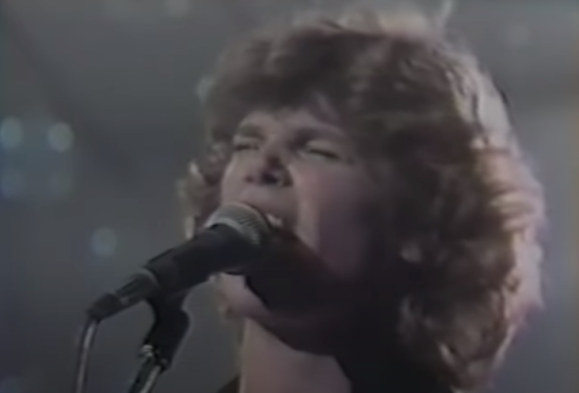
- Visual Documentation of 1970s Rock Culture. Archival photographs from this period—such as Norman Seeff's iconic Desire Wire cover photography and live performance shots from venues like the Whisky a Go Go—capture the visceral energy of a frontwoman commanding a rock band in the late 1970s. Featuring these images helps illustrate how women reshaped rock aesthetics prior to the 1980s MTV boom.
- Complex Historical Context. Institutional recognition today involves navigating how her legacy is framed: honoring the historical impact made as a pioneering female rock figure in the 1970s.


Comments
Post a Comment